

Novus Acrylic Cleaner, Polish and Scratch Remover
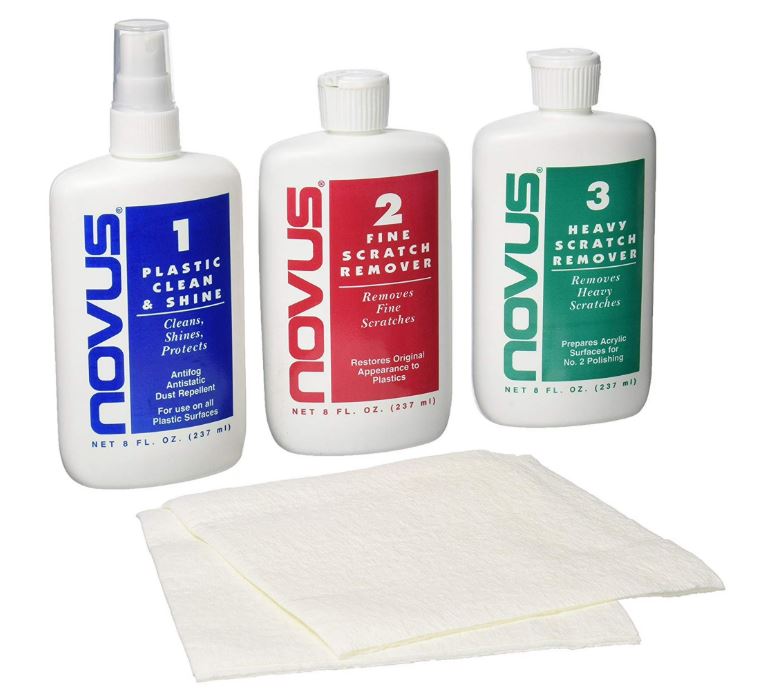
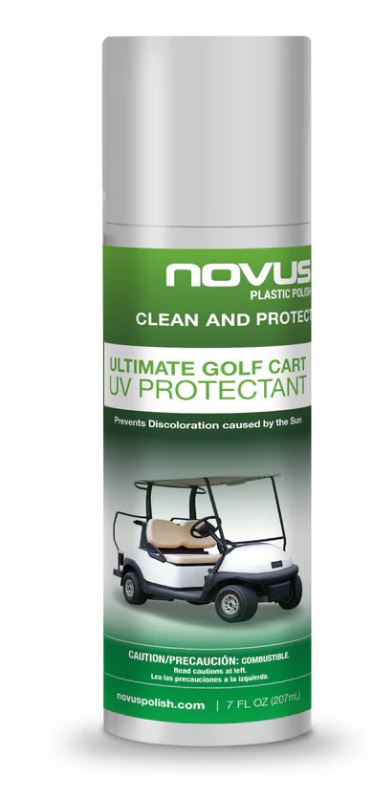
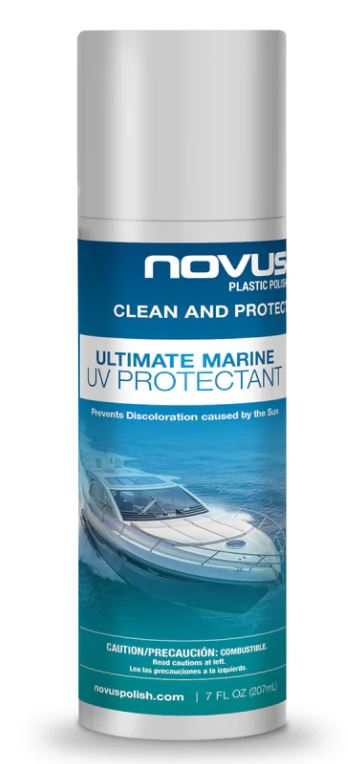
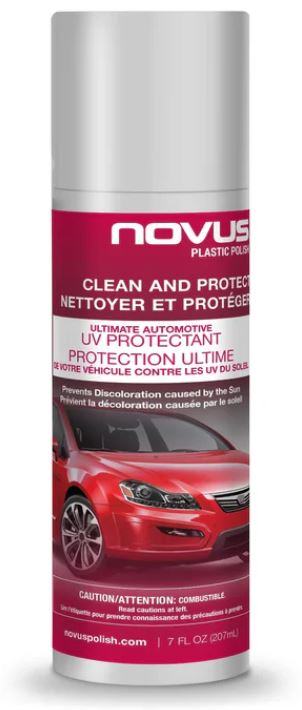
Novus Plastic Polish System (1 & 2 & 3) Restore scratched, hazy, or dull plastics with the Novus #1 and #2 and #3.
From R143.00
Product Information
The Novus Plastic Polish System effectively eliminates haze, yellowing, discoloration, and light to moderate scratches from a wide range of plastic and smooth surfaces, while delivering a brilliant, long-lasting shine. The finish helps resist fogging, repels dust, and neutralizes static buildup.
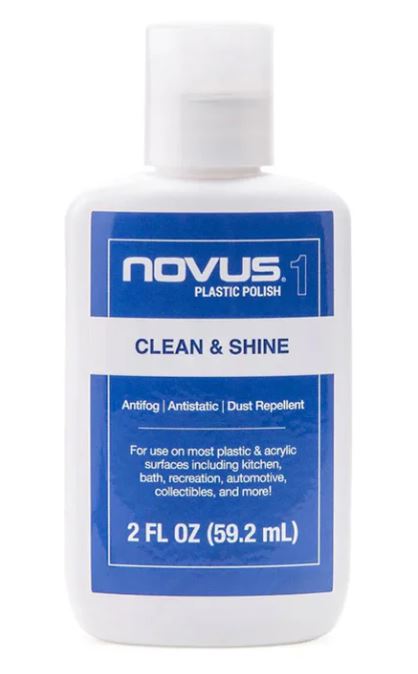
Novus #1 is a gentle cleaner and shine restorer ideal for everyday and industrial plastics, as well as various smooth non-porous surfaces, including:
CDs and DVDs
Vinyl records
Marble
Aquarium walls
Shower enclosures
Game consoles
Vehicle interiors
Fiberglass
Sneeze guards / protective shields
Plastic windows and panels
Mobile phone / tablet screens*
Motorcycle helmets and visors
*Important note: Novus #1 is safe for use on LCD, LED, and television screens. However, it creates a glossy “glaze” finish that may cause unwanted reflections on matte or anti-glare screen surfaces.
Important tip: Never use paper towels on plastic surfaces—they can cause micro-scratches. Instead, always apply Novus #1 with a soft, lint-free microfiber cloth or a clean cotton cloth for safe, scratch-free results.4.7sFastExplain Novus 2 and 3Novus #2 (Fine Scratch Remover) and Novus #3 (Heavy Scratch Remover) are the more aggressive steps in the Novus Plastic Polish 3-step system, designed specifically for restoring scratched, hazy, or damaged plastic and acrylic surfaces (like PMMA/Plexiglas, polycarbonate, fiberglass, and similar materials). They contain mild abrasives to actually remove material and level out imperfections, unlike Novus #1 which is a non-abrasive cleaner/shine product.
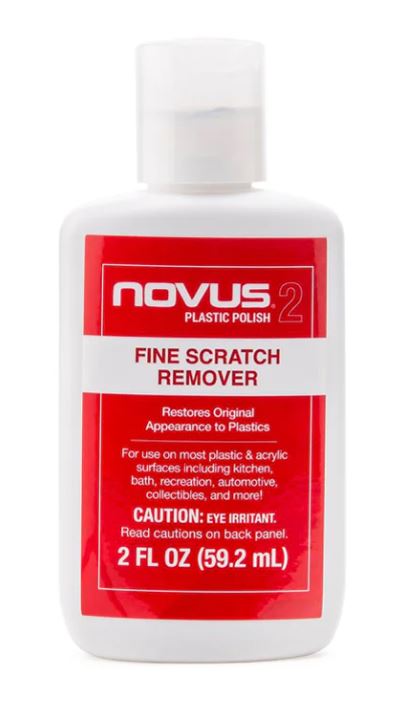
Novus #2: Fine Scratch Remover
Purpose: Targets light to moderate scratches, haziness, cloudiness, fine abrasions, and surface dullness/fading on most plastics.
How it works: Uses finer abrasives to gently polish away shallow damage, restoring clarity and color. With repeated applications, it can bring back faded or discolored plastics.
Best for: Surfaces with minor wear, such as:
Headlight lenses
Acrylic displays/cases
Phone/tablet screens (test first)
Visors/helmets
Aquarium walls or shower enclosures with light scratching
Application tips: Apply with a soft, lint-free microfiber cloth in circular motions. For larger areas or stubborn haze, a low-speed power buffer (~1000 RPM) with a clean cotton bonnet helps. Always follow with Novus #1 for a final shine, dust-repelling, anti-static, and anti-fog finish.
Key note: Safe for most uncoated plastics, but test on a small area first.
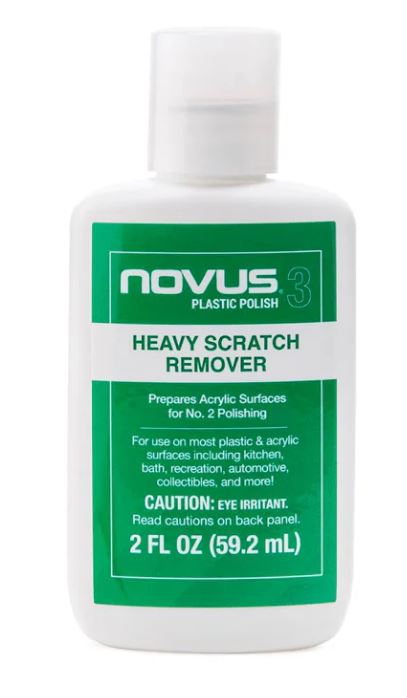
Novus #3: Heavy Scratch Remover
Purpose: Handles deeper/heavier scratches, severe abrasions, gouges, or damage too intense for Novus #2 alone.
How it works: Contains coarser abrasives to cut down and level out significant imperfections, preparing the surface for finer polishing.
Best for: More damaged items, such as:
Deeply scratched headlight covers
Heavily abraded acrylic panels/windows
Motorcycle windshields/visors with major marks
Fiberglass or plastic parts with rough wear
Application tips: Use sparingly and with care to avoid overheating the plastic (which can cause melting or distortion). Apply by hand or low-speed buffer. Multiple passes may be needed for very deep scratches. Always follow immediately with Novus #2 to remove the coarser swirl marks/haze left by #3, then finish with Novus #1.
Key note: More aggressive, so not ideal for very delicate or thin plastics. Avoid on coated surfaces (e.g., some eyeglass lenses or anti-scratch coatings) as it can damage the coating. Not recommended for matte finishes or screens where haze could worsen.
General Usage Order in the 3-Step System
Novus #3 (if heavy damage present) → removes deep scratches.
Novus #2 → refines/polishes out finer marks and haze.
Novus #1 → cleans, shines, protects, and adds anti-static/fog resistance.
Important tips for both #2 and #3:
Never use paper towels (they cause micro-scratches).
Work in a well-ventilated area; wear gloves if sensitive.
Avoid excessive pressure or high speeds to prevent heat buildup.
For best results on very deep damage, some users start with wet sanding (e.g., 1000–2000 grit) before these polishes.
These products are widely used for acrylic fabrication, auto detailing, aquariums, and displays — perfect companions to materials from suppliers like Cyber Acrylics in South Africa. If you’re working on a specific project (e.g., polishing a clear acrylic box), start with the least aggressive needed and progress as required!


